







A fitting appointment can feel like the finish line. There is a new device, new possibilities, and a sense that the hard work is done. For clinicians, patients, and families alike, it is a meaningful moment that often carries a lot of expectation.
But anyone who has spent time around upper-limb prosthetics knows that this moment is only the beginning. The real challenge usually starts after the hand goes home and daily life begins.
That is where abandonment often shows up. Not because people do not want a bionic hand, and not because the technology itself is flawed. More often, abandonment happens because learning to use a myoelectric device is a skill that takes time to develop.
Users must learn to operate different types of prosthetic hands, including body powered prosthesis and myoelectric prostheses, each of which requires different ways of control. It requires repetition, coaching, and ongoing adjustment, not just a successful fitting.
When that support fades too quickly, progress slows, frustration builds, and the hand can quietly end up unused.
Aether Biomedical’s approach is built around a simple idea: if long-term use is the goal, support cannot end at the clinic door. Getting comfortable with a bionic hand is less like learning a new gadget and more like learning a new skill, and skills come with a messy middle.
The early weeks are usually a mix of small wins, awkward moments, and plenty of trial and error, which is why mindset and coaching matter as much as hardware. Learning to use a robotic hand is not intuitive, and most progress happens through repetition, feedback, and gradual refinement of control rather than instant mastery.
Training is essential for mastering bionic movements and performing both simple tasks and different tasks in daily life. People need an ecosystem that continues to guide them through the weeks and months after fitting, when questions arise, and confidence is still forming.
That period is where habits are built or lost. The most honest way to understand whether that support is working is to look at what users actually do in their everyday lives.
Ongoing support is crucial, but so is innovation. There is active research and development of ways to improve prosthetic control, including advances in neural interfaces and sensory feedback, to help users find the right device for their needs.
Introduction to Prosthetic Technology
Prosthetic technology has transformed what’s possible for upper limb amputees, offering a range of solutions that restore movement, grip, and even a sense of touch.
A prosthetic hand, or hand prosthesis, serves as an artificial replacement for a missing or under-functioning hand, aiming to bridge the gap between the user’s intentions and the device’s actions.
Today’s prosthetic technology is designed to create a natural, intuitive connection, so that the prosthetic device feels like an extension of the body, not just a tool.
Innovations in the field now allow users to control their prosthesis using nerve signals, muscle contractions, or electrical impulses generated by the brain. These advances mean that upper limb amputees can integrate their prosthetic hand into daily life more seamlessly than ever before, making the device a true partner in everyday activities.
As development continues, the focus remains on making prosthetic hands more responsive, lifelike, and supportive of a full, active life.
Types of Prosthetic Devices
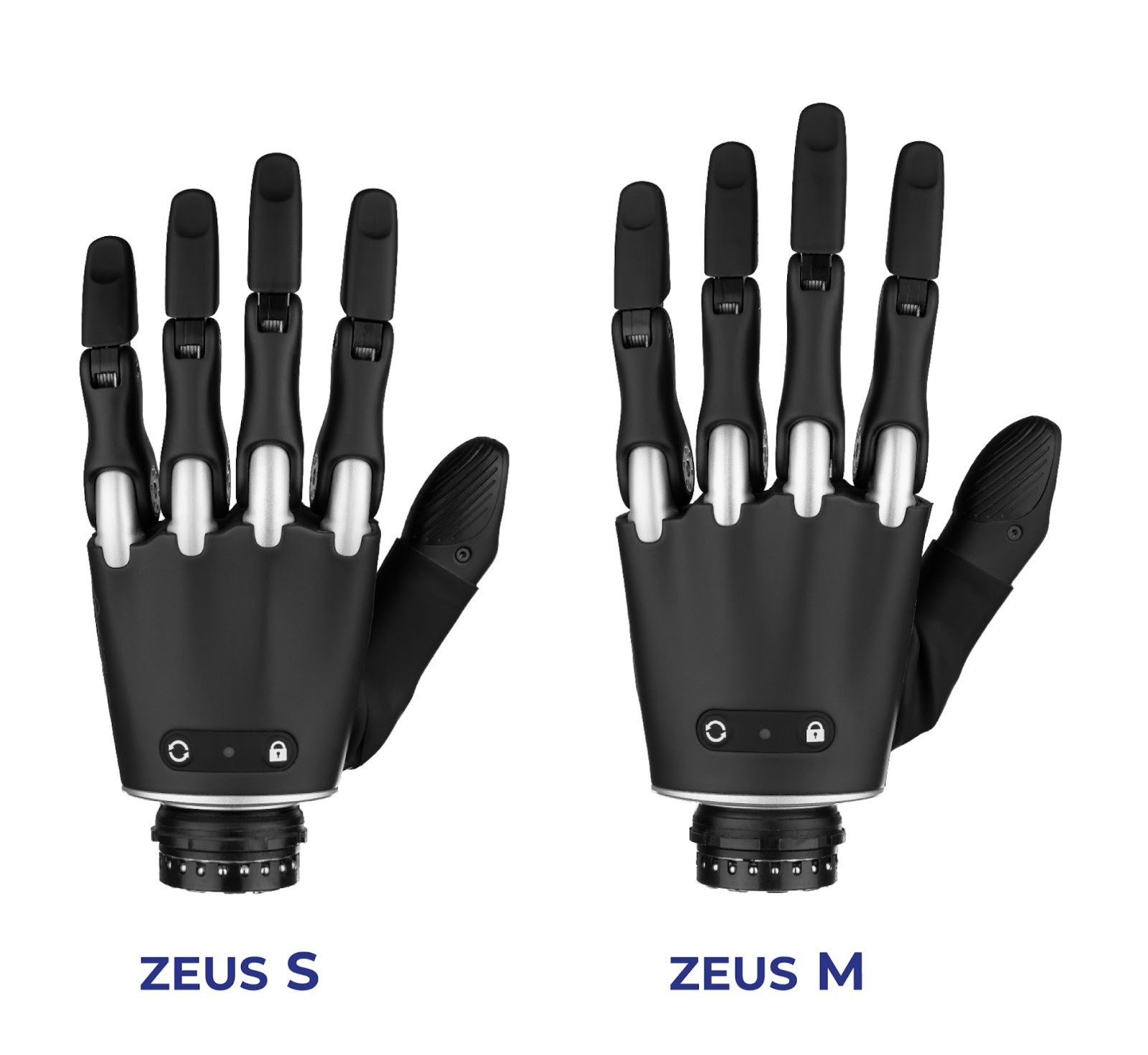
There are several types of prosthetic devices available to meet the diverse needs of upper limb amputees. Body-powered prosthetics, for example, use a harness and cable system that translates movements from the upper arm or shoulder into control of the prosthetic hand.
This type of device is often valued for its durability and simplicity. Myoelectric prosthetics take a different approach, using electrical signals from the user’s muscles to control the hand’s movements, allowing for more natural and precise control.
Bionic hands incorporate sophisticated sensors and algorithms to interpret signals and provide intuitive, lifelike movement. The right type of prosthetic device depends on factors like the level of amputation, whether it’s at the upper arm or lower arm, as well as the user’s lifestyle and personal preferences. Each device offers unique benefits, and the choice is about finding the best fit for the individual’s body, needs, and goals.
Selecting the Right Prosthetic Hand
Choosing the right prosthetic hand is a key part of the rehabilitation journey. This process starts with a thorough assessment by a certified prosthetist, who works closely with the individual to understand their needs, daily routines, and long-term goals.
Important factors include the types of grip patterns required, how the user will control movement, and the role of electrical signals in operating the device. The fitting process is crucial, not just for comfort, but for ensuring the prosthetic hand functions optimally in real-world situations.
For those whose daily life involves manual labor or physically demanding tasks, a more robust and durable prosthetic hand may be necessary. Ultimately, the goal is to select a prosthetic hand that supports the user’s lifestyle, enhances their independence, and fits seamlessly into their daily life, making the rehabilitation process smoother and more successful.
What “Real Adoption” Looks Like for Upper Limb Amputees
When a device truly becomes part of someone’s life, it shows up in patterns rather than isolated moments. The learning curve is rarely a straight line, and most users need space to practice without feeling like every mis-grab is a “failure.”
Over time, the hand stops feeling like something you’re consciously operating and starts feeling more like something you’re simply using, one routine task at a time. Early use is often deliberate and mentally demanding, but over time, successful users move toward more automatic, confident control as movements become familiar.
Advanced prosthetic hands now allow users to move individual fingers and articulate the wrist and elbow, enabling more natural hand movements. Regular use, repeated movements, and the willingness to try different approaches all signal growing confidence.
These are the details that separate short-term trials from real adoption. They also reveal whether a hand is becoming a practical tool rather than a constant reminder of effort.
As of December 31, 2025, Zeus users have performed more than 3.3 million grips. That level of activity does not come from occasional wear or controlled demonstrations.
It reflects sustained, day-to-day interaction with the hand across ordinary tasks and environments. Grabbing, holding, repositioning, and repeating these motions over time is how a device earns its place in daily routines.
Grip switching adds another layer to this picture. Many new myoelectric users rely on a single “safe” grip at first because switching feels complex and easy to get wrong. Seeing more than 521,000 grip switches suggests something different is happening.
It points to experimentation and comfort, where users move beyond basic use and begin choosing grips based on the task in front of them. The ability to control fingers individually and use different grip patterns helps users perform a variety of tasks, making the device feel more like a natural hand.
That shift is often where confidence replaces hesitation.
This matters because the space between “the hand works” and “the hand fits my life” is where abandonment most often occurs. When users feel capable of adapting the hand to different situations, the device stops feeling fragile or intimidating.
The integration of electrodes and the use of nerve signals enable more precise control, while prosthetic skin enhances the appearance and confidence of the user. Instead, it becomes something they trust. That trust is what keeps a prosthetic hand in use over the long term.
There are also important factors in the space between “the hand works” and “the hand fits my life.” The rest state of muscles and the ability to pull on cables in body-powered devices contribute to overall usability and comfort.
The Part Nobody Talks About: Ongoing Support for Prosthetic Device Users
Rehabilitation does not happen only in the clinic. In the beginning, users are also getting used to the basics, how to contract, how to stay consistent, and how to make the hand behave reliably across different situations.
Maintaining balance is also a key part of adapting to a new prosthetic hand, especially during real-world activities, as users must learn to stay stable and confident while performing daily tasks.
This is where most users encounter challenges. Staying connected with clinicians for necessary adjustments and training can be difficult, as it often requires in-person visits that make ongoing support less accessible.
Small configuration tweaks and coaching can make an outsized difference here, because what feels “hard” is often a settings issue, a technique issue, or both. The faster those adjustments happen, the less likely frustration turns into avoidance.
For most users, meaningful learning occurs during daily tasks, where muscle signals, grip selection, and timing are practiced repeatedly in real contexts rather than controlled sessions. It happens at home, at work, and in all the environments where real frustrations and unexpected challenges arise.
These are the moments when users decide whether a device is worth the effort. Without timely guidance, even small issues can feel overwhelming and discouraging.
The Aether Digital Platform exists to keep the clinician–patient relationship active between appointments. Its purpose is not to replace in-person care, but to extend it into daily life.
By maintaining access to guidance and adjustment, the platform helps prevent small obstacles from turning into reasons to stop using the hand altogether. Support is available when it is most needed.
Through the platform, clinicians and patients have connected over 10,000 times. This is not simply a measure of activity, but a reflection of continuity. Questions can be addressed as they arise, and adjustments do not have to wait weeks for the next visit. That steady connection helps users stay engaged instead of feeling left on their own.
Over time, this support shows up in sustained use. Zeus' hands have accumulated over 90,000 total patient usage hours, representing consistent integration into daily life. These hours reflect reliance rather than novelty. They mark the difference between a device that looks impressive on paper and one that people actually depend on.
Prosthetic Hand Maintenance
Maintaining a prosthetic hand is essential for ensuring it continues to function well and lasts as long as possible. Regular cleaning and routine inspections help prevent wear and tear, while also catching any potential issues early.
It’s important to check the prosthetic hand for signs of damage and address any problems promptly to avoid disruptions in daily life. Periodic adjustments may be needed to maintain a comfortable and secure fit, especially as the residual limb changes over time.
Following the manufacturer’s guidelines for maintenance and repair is key to keeping the prosthetic hand in top condition. With proper care, users can extend the life of their prosthetic hand and ensure it remains a reliable part of their daily routine.
Insurance Coverage and Funding
Navigating insurance coverage and funding for a prosthetic hand can be complex, but understanding your options is crucial for accessing the prosthetic technology you need.
Coverage varies widely depending on the insurance provider and policy, with some plans covering the full cost of a prosthetic hand and others only a portion. In addition to insurance, there are funding programs and organizations dedicated to helping individuals with upper limb differences obtain the right prosthetic device.
Researching these resources and working with your prosthetist to explore available options can make a significant difference. Some organizations also offer grants or scholarships to support access to advanced prosthetic technology.
By taking the time to investigate insurance and funding opportunities, individuals can ensure they receive the support and technology needed to enhance their quality of life.
Why Sharing the Numbers Matters
Prosthetics is full of ambitious claims about strength, intelligence, and advancement. Yet real outcomes do not live in specifications or feature lists. They unfold in kitchens, workplaces, public transport, and countless everyday situations where a hand either helps or becomes a burden. That is where success or failure is ultimately decided.
Publishing real-world usage data takes a different stance. It shifts the conversation away from promises and toward observable behavior. Instead of asking for trust, it offers evidence of how devices are being used outside controlled environments. This transparency grounds expectations in reality.
When the numbers are viewed together, a clear pattern emerges. Millions of grips, hundreds of thousands of grip switches, thousands of clinician interactions, and tens of thousands of usage hours all point to sustained engagement.
They show that when people receive continuous support, they keep using the device. They keep learning, adapting, and building skills over time.
This is how abandonment is addressed at its root. Not through hype or isolated innovation, but through systems that remain present throughout the learning curve. Long-term use becomes the result of consistent support rather than a hopeful assumption.
Frequently Asked Questions
Why is prosthetic abandonment still so common?
Prosthetic abandonment is often driven by practical challenges rather than technical limitations. Learning to control a myoelectric hand takes time, repetition, and ongoing guidance.
When follow-up support is limited, users can reach a plateau where progress feels difficult and motivation drops.
For some advanced prosthetic solutions, surgery may be required to optimize nerve or muscle connections, which can impact the fitting process and long-term outcomes. Without continued reinforcement, even capable devices may stop being used.
What does “3.3 million grips” actually tell us?
This figure suggests regular, repeated use in everyday life rather than short-term trials or occasional wear. High grip counts typically reflect habits forming over time, where the hand is used naturally throughout the day. It indicates that the device is being relied on rather than tested.
Why are grip switches an important metric?
Grip switching is often one of the more challenging skills for new users to master. High switch counts indicate that users feel comfortable exploring the hand’s versatility instead of limiting themselves to a single grip. This behavior reflects growing confidence and functional understanding of the device.
How does remote support change outcomes?
Remote connectivity helps maintain momentum between clinic visits. When clinicians can answer questions, review use patterns, and adjust settings remotely, small frustrations are resolved before they become major barriers. This ongoing engagement supports steady progress and sustained use. We have created a detailed guide on how clinicians can get started. This guide will help the clinicians.
Why publish this data publicly?
Sharing real-world usage data helps align expectations with reality. It allows clinicians, partners, and users to see what long-term adoption actually looks like. Transparency also supports more informed conversations about what helps prosthetic users succeed over time.
Conclusion: The Real Finish Line Is Long-Term Use of Prosthetic Technology
A fitting appointment is an important milestone, but it is not the outcome that matters most. The true measure of success is whether a device continues to be used confidently and consistently as part of everyday life. That outcome depends on what happens long after the initial fitting is complete.
The data presented here does more than show activity. It reveals a pattern of regular engagement, increasing comfort with grip switching, ongoing clinician involvement, and meaningful hours of real-world use. Together, these signals point to sustained adoption rather than short-lived enthusiasm.
In the end, progress in prosthetics is not defined by delivering a hand. It is defined by making sure that the hand remains useful, supported, and present in a person’s life. Long-term use, not the fitting itself, is the real finish line.
If you’re a clinician who wants to support long-term adoption, explore how the Aether Digital Platform helps you stay connected with patients between appointments, so small issues get solved early, and real-world use stays consistent.
-1.png?width=352&name=unnamed%20(3)-1.png)