







One day, your prosthesis clicks into place, and everything feels easy. The next day, it feels like your limb changed the rules overnight, and nobody bothered to tell you. That swing can be frustrating, but it is also normal.
When we talk about residual limb changes, we are talking about a living body doing living-body things. Tissue holds fluid, releases it, warms up, cools down, and adapts to use. The good news is we can learn the patterns and manage them. This process highlights the body's remarkable ability to heal, adapt, and recover after amputation.
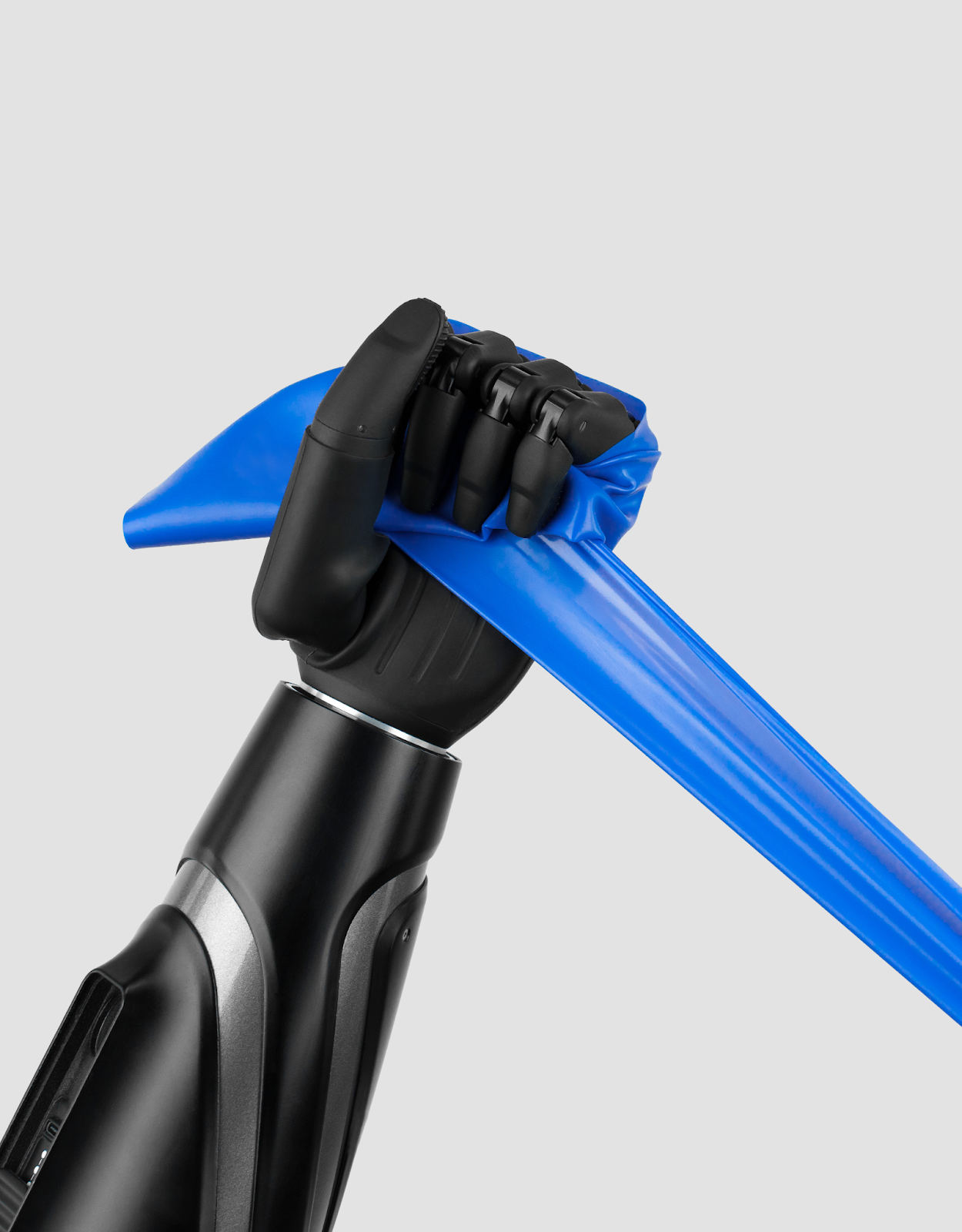
That is true whether you use a simple prosthesis or bionic prosthetics. Some people use a Bionic hand by Aether, and others use a Bionic arm setup. No matter the device, the socket and limb still change, and that is what we are learning to manage.
This guide is built for real life, not a perfect textbook day. We will cover what changes happen, why they happen, how they affect prosthetic fit, and what to do when your skin starts sending warning signals.
We will also get clear on when it is time to call your clinician or prosthetist, supporting your journey toward an independent and active life. Achieving an independent life is a key goal of post-amputation recovery and proper limb management.
Introduction to Limb Loss
Limb loss, or amputation, marks a profound transformation in a person’s life, affecting not just mobility but also daily routines, self-image, and independence.
Whether the result of trauma, infection, cancer, or vascular disease, the journey after amputation is unique for every individual. One thing all amputees share, however, is the experience of ongoing changes in the residual limb.
After amputation, the residual limb undergoes a series of adjustments as it heals and adapts. These changes include fluctuations in residual limb volume, shifts in limb shape, and the potential for muscle atrophy and skin breakdown.
These volume fluctuations can happen day-to-day or even within a single day, making it challenging to maintain a comfortable and secure prosthetic socket fit.
Understanding how your residual limb changes, and why, is essential for effective rehabilitation and long-term comfort. The shape and volume of your residual limb directly impact how well your prosthetic socket fits, which in turn affects your mobility and confidence.
That’s why measuring residual limb volume is a key part of post-amputation care. Techniques like anthropometric measurements, water displacement, and optical scanning help track these changes, allowing your rehabilitation team to make timely adjustments and keep you moving forward.
By learning about residual limb volume change and how to manage it, you can work with your care team to achieve the best possible fit and function from your prosthesis, supporting your journey toward an independent and active life.
What residual limb changes mean and why they matter
A residual limb is the part of the limb that remains after amputation. It includes skin, muscle, bone, nerves, and scar tissue, and all of it can shift over time. The soft tissues, muscles, tendons, and nerves play a key role in volume fluctuations and can affect the shape of the limb during measurements, impacting how well the socket fits.
So “residual limb changes” simply means that the size, shape, skin condition, and sensations can change from day to day and month to month.
Early on, changes usually come from healing. Swelling tends to be higher, scars are still settling, and your body is figuring out a new normal. Later, changes still happen, they just look more like daily volume swings, skin reactions, and fit tweaks.
This matters because your prosthetic socket and liner need a predictable match. If your limb is even a little bigger or smaller than usual, pressure can land in the wrong place. When that happens, comfort drops, skin risk goes up, and confidence takes a hit.
Common residual limb changes after amputation
Let’s start with the most common one, residual limb swelling. Swelling is expected after surgery, and it can also show up later when routines, weather, or activity change. Many people notice a “puffy day” after being more active or sitting longer than usual.
Residual limb volume changes can also happen on the same day. You might feel snug in the morning, then loose by afternoon, or the other way around. Those swings are common, and they are one reason prosthetic fit can feel inconsistent.
Residual limb shape changes are also common, especially in the first months. The significance of residual limb shape lies in its direct impact on prosthetic socket design and fit stability. As swelling reduces, the limb may become more tapered or feel more bony in certain areas. Even if the change looks small in the mirror, it can feel huge inside a socket.
Skin changes are another big one. Dryness, sweat, rash, odor, and irritation can all show up when skin is under pressure and trapped in a warm, liner environment. Skin irritation from the prosthesis is often the first sign that fit, moisture, or friction needs attention.
Sensation changes can be confusing because they do not always look like anything on the outside. Some people feel tenderness, tingling, numbness, or a “pins and needles” feeling that comes and goes. Sensations can be part of normal recovery, but new or worsening sensations are worth tracking.
Scar changes are also part of the story. Scars can feel tight, itchy, raised, or overly sensitive as they mature. Scar tissue can also react to pressure, which makes scar care after amputation an important part of comfort and fit.
What causes swelling and day-to-day volume swings
In the early phase, swelling is often healing-related. Your body is repairing tissue, and fluid is part of that process. That is why edema after amputation is common, especially in the first weeks.
Immediately after surgery, the limb experiences considerable edema, which gradually decreases as the wound heals. The limb's volume continues to change for 6 to 18 months before it is considered mature. Residual limb volume changes occur during the post-operative recovery period, particularly in the first 12–18 months after amputation.
Swelling and volume changes are influenced by the movement of fluid between the arterial vessels, venous compartment, and interstitial space. Blood flow through arterial vessels and vasodilation can increase interstitial fluid volume, while pooling in the venous compartment can contribute to diurnal changes in limb volume.
The interstitial space plays a key role in fluid exchange and pressure regulation within the residual limb, affecting tissue fluid dynamics and the impact of prosthetic suspension systems on fluid pressures and transport mechanisms.
Later swelling can still happen, but the causes are usually more “daily life” than “surgery recovery.” Heat and humidity can make tissue expand, and they can also increase sweat inside the liner. When sweat increases, rubbing often increases too.
Activity level matters more than most people expect. A long day on the prosthesis can increase swelling, especially when you are building up wear time. A long day off the prosthesis can do the opposite and make the limb shrink a bit. The degree of physical activity influences muscle atrophy and fluid dynamics in the residual limb.
Routine changes are another classic trigger. Long travel days, long periods of sitting, or a stretch of standing can change how fluid moves in the limb. If you ever thought, “Nothing changed except my schedule,” that may be the point.
Hydration and salt intake can play a role as well. When the body holds onto fluid, swelling can be more noticeable. Fluid retention impacts limb shape and highlights the importance of monitoring and adjusting prosthetic fit accordingly. We do not need to become diet detectives, but we do want to notice if certain patterns keep repeating.
Weight changes and muscle changes also affect volume. Long-term volume changes are influenced by postoperative edema reduction and subsequent weight gain or loss. Muscle atrophy following amputation contributes to changes in residual limb volume over time, particularly in the early post-operative phase.
Sometimes it is gradual, and sometimes it happens after a new training phase or a long break from activity. Either way, your socket does not know why the change happened; it only knows the shape is different. Comorbidities like diabetes and peripheral vascular disease can significantly affect the rate of healing and limb volume fluctuations.
Managing muscle atrophy after amputation
Muscle atrophy, when the muscles in your residual limb shrink or weaken from lack of use, is a common challenge after amputation. As the limb adapts to its new role, reduced activity can lead to a loss of muscle tone and mass, which in turn affects the shape and volume of your residual limb.
These changes can make it harder to maintain a consistent, comfortable fit in your prosthetic socket, and may increase the risk of skin breakdown if not managed proactively.
The good news is that muscle atrophy can be addressed with a comprehensive approach. Regular exercise and physical therapy are essential for maintaining muscle strength and promoting healthy limb shape.
Your rehabilitation team can guide you through targeted exercises and prosthetic training to help you regain confidence and function. Using elastic bandages or compression garments as directed can also help reduce swelling and promote healing, especially in the early stages after amputation.
It’s important to keep an eye on residual limb volume fluctuations, as changes in muscle mass and fluid levels can affect how your prosthesis fits. Tools like bioimpedance analysis can help measure residual limb fluid volume and track muscle changes over time, giving you and your care team valuable information to adjust your prosthetic socket for a functional fit.
By staying active, monitoring your limbs, and working closely with your rehabilitation team, you can minimize muscle atrophy and support long-term comfort and mobility.
How residual limb changes affect prosthetic fit
A good fit usually feels secure and steady. Pressure feels even, not sharp, and you feel supported rather than squeezed. You should not feel like you are sliding around inside the socket. Changes in socket volume can significantly impact prosthetic fit and comfort, making it important to monitor and address any fluctuations promptly.
This can feel even more obvious with powered options, like a prosthetic bionic hand. When the socket fit shifts, control can feel less steady, and comfort can drop fast. That is why we treat small fit changes early. Proper fit is especially critical in a lower limb prosthesis to prevent instability and skin issues.
A poor fit can show up in a few common ways. You might feel slipping, rocking, twisting, or a loose prosthetic socket that makes you work harder to stay stable. You might also feel pinching or a hot spot that seems to grow louder with every step.
Pressure points in a prosthesis are a big deal because the skin can only tolerate so much. What starts as “just a little rub” can turn into a blister fast. Blister prevention in a prosthesis is mostly about catching the early signs and adjusting before the skin breaks. The distal end of the residual limb is a key area for fit assessment, as improper pressure here can quickly lead to discomfort or injury.
Liners, socks, and suspension also influence fit from day to day. A liner that felt perfect last week can feel slippery on a sweaty day. Socks can improve the seal and reduce movement, but too many socks can create new pressure in the wrong spot.
Even with a Bionic robot hand, the socket and suspension still do most of the comfort work. If the liner slips, skin rubs, and hot spots show up. The tech is impressive, but skin still wins every argument.
The level of amputation and specific surgical techniques influence the final limb shape and potential complications, which in turn affect how the socket fits and how pressure is distributed.
Here is a simple rule that saves a lot of trouble. If you feel sharp pain, strong pinching, or a new “electric” discomfort, do not push through it. Pain is often your first warning that the socket needs attention.
Skin care basics for a changing residual limb
Residual limb skin care is a daily habit, not a once-in-a-while task. The skin on the residual limb is the first line of defense against infection and irritation, so daily inspection of the residual limb is essential to prevent infection and complications.
We are looking for redness, shiny skin, rash, blisters, cuts, drainage, or spots that feel warmer than the surrounding area. We are also watching for changes in smell, because odor plus irritation can point to trapped moisture. Ingrown hairs are another potential issue, often caused by shaving the residual limb or friction from the socket, and can lead to pain, discomfort, or infection; prevention includes avoiding shaving and ensuring optimal socket fit.
Daily checks are especially important when fit is changing. Skin can look fine when you put the prosthesis on, then develop a problem after a few hours of rubbing. A quick inspection after wear is often where we catch trouble early.
Hygiene matters because liners trap heat and moisture against the skin. Good hygiene practices, including washing the residual limb with mild soap, can help prevent skin issues. Skin infections can develop in the warm, moist environment created by the prosthetic socket.
Clean the skin as advised by your clinician, and keep liners clean as recommended by the manufacturer or prosthetist. Then make sure everything is fully dry before you put it back on. Signs of skin infection include tenderness, redness, and discharge, which require prompt medical evaluation.
Sweat management is not about being “cleaner,” it is about reducing friction. Moisture makes skin softer and easier to irritate, and it can make the liner shift. If sweat is a constant issue, talk to your clinician or prosthetist about options, because there are often practical adjustments.
Dryness needs a careful approach. If the skin is dry and cracking, it is more likely to get irritated. Moisturizing can help, but only use products your clinician approves and avoid applying anything right before wearing if it makes the limb slippery.
Redness after wearing your prosthesis is a key signal. Mild pink areas that fade quickly can happen, especially when you are adapting to new wear time. Redness that stays, darkens, becomes painful, or turns into broken skin is your sign to stop wearing and call for help.
Comfort, sensitivity, and scar management
Sensitivity is common, especially early on, and it can also flare up later. Desensitization for the residual limb is often about gentle, consistent exposure to touch and texture. It should feel manageable, not like you are forcing yourself through pain. Sensory changes in residual limbs can include phantom limb sensations, pain, hypersensitivity, and neuromas.
Scar management is another piece that deserves patience. Scars can tighten and feel “grabby,” and that tightness can change how the socket feels in motion. Follow clinician guidance for scar care, because the timing and method matter.
Protecting bony areas is about smarter pressure, not tougher skin. If one small spot feels like it is carrying all the load, the socket may need adjustment or relief. That is also how we prevent skin irritation from the prosthesis from turning into skin breakdown.
Residual limb pain can be tricky because some soreness can be normal during adaptation. The red flags are sharp pain, escalating, or paired with numbness, skin changes, or sudden fit problems.
Pain types post-amputation can include wound pain, neuropathic pain, and referred pain due to altered movement patterns. If pain is new and intense, we treat it as a reason to stop and contact your clinician.
Phantom limb sensation is also common. Many people feel tingling, pressure, or movement sensations that seem to come from the amputated limb. Many individuals with amputations experience phantom limb sensations or pain due to brain and spinal cord reorganization.
If phantom sensations become severe, distressing, or suddenly change, that is a good time to bring it up with your care team.
Life after amputation involves significant physical healing and emotional adjustment. Emotional adjustment is a key part of adapting to changes in mobility, independence, and daily life after limb loss. Counseling may be necessary to address common mental health issues such as anxiety and depression during this adjustment period.
Volume management tools and habits that help
Limb volume management is the art of keeping your limb volume stable enough that the socket stays safe. That usually means using simple tools consistently instead of trying to “muscle through” a bad fit. When we do it well, comfort becomes more predictable, and skin problems become less frequent.
Compression therapy, including the use of compression bandages and soft dressings, is a common strategy for managing residual limb volume changes after amputation. Compression and shrinkers can help, but only when prescribed.
A stump shrinker can support swelling control and residual limb shaping, especially in the earlier stages. Because fit and circulation matter, it is important to use compression tools exactly as directed.
Diligent management of swelling is crucial during the early post-operative period to ensure proper healing and a functional prosthetic fit. Inadequate control of residual limb volume can delay prosthetic fitting and affect the overall rehabilitation process.
Weight bearing during activities like standing and ambulation promotes fluid drainage, helps control edema, and improves clinical outcomes for amputees. Vacuum-assisted suspension systems help maintain residual limb volume by creating negative pressure that draws fluid into the limb, and their use has been shown to reduce the rate of volume loss during ambulation.
Prosthetic fitting should be adjusted frequently during the early post-operative phase due to rapid changes in residual limb volume. Regular coordination with a clinical team is crucial for effective management of residual limb changes.
Prosthetic socks are the everyday solution many people rely on for fit changes. Socks can reduce movement inside the socket when your limb volume drops. They can also help prevent friction, which supports blister prevention in a prosthesis.
The trick is noticing the early signs. If the socket suddenly feels looser, if you feel extra movement, or if you start rubbing in a new spot, it may be time to adjust the socks. If things feel tight and pinchy, it may be time to reduce sock ply or pause wear and check the skin.
Consistent routines help more than we think. When wear time and activity level swing wildly, volume tends to swing too. Gradual progression gives the limb time to adapt without dramatic swelling spikes.
Tracking patterns sounds boring, but it is powerful. If swelling happens after long sitting, certain heat, or certain activity, that is useful data for your prosthetist. Even two sentences in a notes app can speed up a fix.
Here are practical volume management tools and habits we can use, in a simple starting order:
- Do a quick fit check before you put the prosthesis on, notice tightness, looseness, or sore spots.
- Adjust prosthetic sock ply when the socket feels loose, and reduce ply if you feel tight pinching.
- Use prescribed compression or shrinkers as directed to support swelling control and shaping.
- Keep routines steady when possible, then build wear time gradually instead of in big jumps.
- Track patterns, note heat, activity, sitting time, and any skin changes that appear.
Elastic bandage use for limb volume control
Elastic bandages are a tried-and-true tool for managing residual limb volume and shape after amputation. By providing gentle, consistent compression, these bandages help reduce swelling, encourage fluid drainage, and support the healing process.
Proper use of elastic bandages can make a big difference in controlling limb volume fluctuations, especially in the early weeks and months after surgery.
However, it’s important to use elastic bandages with care. If applied too tightly or left on for too long, they can cause skin irritation or even skin breakdown. To protect your skin health, always follow your clinician’s instructions for wrapping and wear time, and check your skin regularly for any signs of redness, soreness, or irritation.
Combining elastic bandage use with other edema management strategies, like elevating your limb and doing gentle exercises, can further promote healing and help reduce swelling.
Regular monitoring of your residual limb volume is key. If you notice increased swelling, changes in limb shape, or any discomfort, let your care team know so they can adjust your compression protocol. By staying proactive and attentive, you can use elastic bandages to support a healthy, comfortable residual limb and reduce the risk of complications.
Optical scanning and modern methods for prosthetic fitting
Advances in technology have transformed the way prosthetic sockets are designed and fitted. Optical scanning is one of the most exciting developments, offering a fast, accurate, and non-invasive way to measure your residual limb.
This technology captures detailed data on residual limb volume, shape, and even internal residual limb structures, allowing for a truly customized prosthetic socket.
With optical scanning, your prosthetist can create a digital model of your limb, ensuring that the socket matches your unique anatomy and accommodates any bony prominences or sensitive areas.
This precision helps reduce residual limb volume fluctuations inside the socket, leading to a more stable and functional prosthetic fit. Other modern methods, such as 3D printing and computer-aided design, work hand-in-hand with optical scanning to produce sockets that are both comfortable and durable.
These innovations mean that most amputees can now benefit from a prosthetic fitting process that is faster, more comfortable, and more accurate than ever before.
By using optical scanning and other modern techniques, your rehabilitation team can help you achieve a secure fit, minimize volume fluctuations, and support your body’s remarkable ability to adapt and thrive after limb loss.
When to call your clinician or prosthetist
Sometimes the smartest move is to stop guessing and call. If you have blisters, open sores, drainage, or skin breakdown, do not wait it out. Skin problems almost always get worse when we keep wearing them.
Signs of infection need quick action. Increasing redness, warmth, swelling, fever, and a bad smell are all reasons to contact a clinician promptly. If you feel unwell along with changes at the residual limb, treat it as urgent.
Call if you notice sudden or severe pain, new numbness, or rapid shape changes. Call if the socket feels unsafe, unstable, or causes sharp pressure that does not ease with simple adjustments. Call if swelling keeps returning or does not improve in a way that matches your usual pattern.
If you are ever unsure, it is still worth reaching out. A good prosthetist would rather help you early than rebuild your skin tolerance after a preventable injury. “When to call a prosthetist” is often simply, when something changes, and your body is not happy about it.
Quick checklist and recap
Residual limb changes are normal, but they are not something we ignore. When we treat changes as information, we can protect comfort, protect skin, and keep the prosthesis working the way it should. Most setbacks come from small issues that were allowed to simmer.
We do not get bonus points for pushing through skin pain. Redness that lingers, rubbing that repeats, and pressure that feels sharp are all signs to stop and reassess. Small fixes done early are almost always easier than big fixes done late.
Here is a simple daily and fitness checklist you can keep on your phone:
- Inspect skin daily, look for redness, rash, blisters, cuts, drainage, and hot spots.
- Clean and fully dry skin and liners, then wear only when everything is dry.
- Note fit changes like slipping, rocking, pinching, or new pressure points, and adjust early.
- Watch redness timing; if it lingers, worsens, or becomes painful, stop wearing and contact your clinician.
- Do not push through skin pain; small issues can escalate quickly.
FAQs
How long does swelling last after amputation?
Swelling often starts right after surgery and can take weeks or months to settle. Some people also have smaller swelling changes that come and go long-term with heat, activity changes, or routine shifts. If swelling is increasing, painful, or paired with skin changes, contact your clinician.
Why does my residual limb change size during the day?
Daily size changes often come from fluid moving in and out of the limb based on activity, temperature, and wear time. Sitting for long stretches, travel, and routine changes can also influence volume. Tracking your patterns helps your prosthetist adjust your setup and helps you plan sock changes.
What are the signs that my prosthetic socket no longer fits right?
Common signs include slipping, rocking, twisting, pinching, or sharp pressure points. You may also notice more redness, more rubbing, or a feeling that you are not seated securely. If the socket feels unsafe or causes sharp pain, stop wearing it and call your prosthetist.
What should I do if I see redness or rubbing after wearing my prosthesis?
Remove the prosthesis and inspect the skin carefully. If redness fades quickly and there is no pain, it may be mild, but it still deserves monitoring. If redness persists, worsens, becomes painful, or turns into broken skin, pause wear and contact your clinician or prosthetist.
How do compression socks or shrinkers help?
When prescribed, they can help control swelling and support residual limb shaping. They work by providing steady compression that can reduce fluid buildup and support a more stable volume. Use them exactly as directed, because incorrect use can irritate skin or create new pressure areas.
How often should I check my skin?
Daily is the baseline, especially when you are adapting to a new socket, new liner, or new routine. It also helps to check after any day that feels “off,” like extra sweating or unusual pressure. Early detection is how we prevent small irritations from becoming bigger problems.
Can residual limb swelling come back later?
Yes, swelling can return with heat, activity changes, illness, and routine shifts. Even after things feel stable, residual limb volume changes can still happen from day to day. If swelling returns in an unusual way for you or does not settle, contact your care team.
When should I call my clinician right away?
Call quickly if you see blisters, open sores, drainage, signs of infection, or sudden severe pain. Call if you experience new numbness, rapid shape change, or a socket that feels unstable or unsafe. Being early is almost always better than being late.
How can I reduce sweat and irritation inside my prosthesis?
Start with consistent cleaning and making sure skin and liners are fully dry before wearing. Moisture increases friction, and friction increases irritation, so anything that reduces slipping helps. If sweat is persistent, ask your prosthetist about liner options, fit adjustments, and clinician-approved strategies.
Is phantom limb sensation normal, and when is it a concern?
Phantom sensations are common, and many people feel tingling, pressure, or movement sensations that seem to come from the missing part. It becomes a concern when it is severe, distressing, suddenly changing, or paired with new pain or fit problems. If it worries you, bring it to your clinician; reassurance and support are part of good care.
Conclusion
Residual limb changes are part of the long game, and they do not mean you are failing or going backwards. When we expect volume swings, skin shifts, and sensitivity changes, we can respond early instead of scrambling later. That is how we protect comfort, protect skin, and keep your prosthesis working with you.
The winning routine is simple: inspect daily, keep everything clean and dry, and adjust fit as soon as it starts to feel different. If redness lingers, pain sharpens, or the socket feels unstable, we stop and get help rather than pushing through. Small fixes done early are usually faster, safer, and far less frustrating.
It is also normal to wonder about the bionic hand costs. Those numbers vary by country, clinic, and the full prosthetic setup, so the best source is your care team. If you are comparing options, ask for a written breakdown so you can make a clear decision.
If today’s fit feels even slightly “off,” treat it like a smoke alarm, not background noise. Take one clear photo of any redness, write down where it’s happening and when it shows up, then send that to your clinician so they can act fast and keep you comfortable.
And if you’re also exploring bionic options, Aether Biomedical has clinician-focused resources on modern bionic hands that can help you understand what to ask and how to compare devices in a way that actually fits real life.
-1.png?width=352&name=unnamed%20(2)-1.png)
.jpg?width=352&name=a-2%20(1).jpg)