






Some experiences reshape life in an instant. Upper limb loss is one of those moments that can follow physical trauma, surgical amputation, or medical conditions such as peripheral vascular disease.
It interrupts routines, challenges assumptions, and forces a reintroduction to everyday life. Upper limb loss is a form of physical disability and is of different types, contributing not only to significant physical challenges but also to psychosocial difficulties that affect many aspects of daily living.
Beyond the physical loss, people often navigate a complex emotional landscape, filled with new questions, shifting identity, and an evolving relationship with their body.
We explore this journey together to affirm its reality. The emotional impact of upper limb loss touches confidence, relationships, self-esteem, and a person’s sense of who they are. When we understand these emotional effects fully, the recovery process becomes more grounded, more empowered, and more human.
Understanding the Emotional Impact of Upper Limb Loss
Upper limb loss affects far more than mobility. It can change how a person communicates, connects with others, and moves through their day.
Many people describe a sense of disorientation early on, a psychological response to a life-changing experience that reshapes their physical appearance and their new body image. That’s why emotional well-being is just as essential as physical rehabilitation.
These parts of healing are intertwined. Psychological adaptation often strengthens as prosthetic rehabilitation, occupational therapy, and the rehabilitation process progress.
For some, limb loss happens suddenly through traumatic amputations or traumatic amputation, which can bring unique psychological and emotional challenges, including acute emotional responses and the need for specialized psychiatric care; for others, the path includes medical challenges or the need to undergo amputation.
Regardless of the cause, people experience deep emotional sequelae and psychological impact that deserve care and understanding.
Initial Emotional Reactions
In the early stages following upper limb amputation, emotional responses can feel overwhelming. Shock, disbelief, numbness, and negative emotions are common psychological reactions. Denial sometimes appears, giving the mind a brief buffer from reality.
Grief follows in waves, sadness, frustration, fear, and negative thoughts that can intensify psychological stress. Recognizing and managing these negative emotions is an important part of the healing process.
None of these emotions is “wrong.” They’re signs of being human.
People may ask: “How will I manage? “What does this mean for my future? “How will others perceive my limb difference?” These reactions are normal, especially among trauma patients facing post-traumatic stress or anxiety symptoms.
Acknowledging these feelings helps individuals begin psychological recovery. Emotional processing isn’t about erasing the past; it’s about making sense of it in a way that feels honest and manageable.
Body Image and Identity Shifts
Because hands play such an important role in how we express ourselves, losing one can deeply affect self-image. Body image disturbance is common, and people may feel uncertain about how they fit into the world as they adjust to their residual limb.
Changes in body image following upper limb loss can also impact sexual function and intimacy, which is a common concern for many individuals after amputation.
Confidence may waver. Participating in hobbies or social situations may suddenly feel unfamiliar. But identity is flexible. Over time, many people rebuild a sense of self that incorporates their experience rather than being defined by it.
As individuals regain motor skills, adapt routines, and develop coping skills with support from physical and occupational therapists, they often find stability and strength in ways they never expected.
Social and Relational Impact
Upper limb loss affects personal dynamics across families, friendships, and workplaces. Loved ones may overhelp out of care, creating unintentional dependence. Others may avoid discussing the amputation, unsure of what to say.
These shifts can lead to feelings of isolation or psychological distress.
Open communication makes a tremendous difference. When people discuss expectations and boundaries, relationships often grow stronger. Emotional support doesn’t need to be perfect; it needs to be patient, respectful, and consistent.
Long-Term Emotional Challenges
Healing is not a linear journey. Months or years after limb loss, individuals may experience depressive symptoms, mood disorders, or continuing anxiety. Those who experienced traumatic limb loss may face symptoms of post-traumatic stress.
Managing phantom limb pain can add emotional strain. Phantom limb sensations can trigger psychological distress by reminding someone of what once was.
Professional help can be essential. Mental health services, whether through a mental health professional, cognitive behavioral therapy, or structured support groups, provide tools to build coping strategies and healthier emotional patterns. Peer support also plays a powerful role by connecting individuals with others who understand the psychological reactions firsthand.
Factors Influencing Emotional Outcomes
Many risk factors influence the long-term psychosocial outcome after upper limb loss. These include:
- Age: Younger individuals may struggle more with identity formation and physical appearance, while older adults may worry about independence.
- Gender: Cultural norms may shape how someone perceives their body and capabilities.
- Cause of limb loss: Traumatic amputations typically create more intense psychological responses than planned surgical amputation. Additionally, individuals with leg amputation often face different psychological adjustment and rehabilitation challenges compared to those with upper limb loss, due to differences in mobility, independence, and daily activities.
- Support system: Strong social support from clinicians, family, physical therapists, and peers greatly improves adjustment.
- Previous emotional health: People with maladaptive coping styles may find the adjustment harder.
These factors don’t define the future; they simply help explain variations in the psychological response.
Managing Phantom Limb Pain
Phantom limb pain is a frequent and often distressing experience for many people following limb amputation. This phenomenon involves feeling pain or uncomfortable sensations in a limb that is no longer there, and it can range from mild tingling to severe, persistent pain.
Managing phantom limb pain is essential for emotional well-being and overall quality of life, as ongoing discomfort can contribute to emotional distress and hinder the recovery process.
A variety of approaches can help in managing phantom limb pain. Medications such as pain relievers, antidepressants, and anticonvulsants may be prescribed to reduce symptoms.
Many individuals also benefit from alternative therapies, including acupuncture, massage, and mirror therapy, which can help retrain the brain and ease discomfort. In more severe cases, interventions like nerve blocks or spinal cord stimulation may be considered.
A multidisciplinary team, including physical and occupational therapists, as well as mental health professionals, can provide comprehensive support. These professionals help individuals develop coping strategies tailored to their needs, addressing both the physical sensations and the emotional impact of phantom limb pain.
By working together, individuals can find effective ways to manage phantom limb pain, regain a sense of control, and improve their overall quality of life.
Maladaptive Coping Styles and Limb Difference

The emotional impact of limb difference can be profound, and the way individuals cope with these changes plays a significant role in their emotional recovery.
Sometimes, people may turn to maladaptive coping styles such as denial, avoidance, or substance abuse in an attempt to manage overwhelming feelings. While these responses are understandable, they can actually increase emotional distress and make it harder to move forward.
Recognizing and addressing maladaptive coping styles early is crucial. Healthy coping strategies, like seeking social support, practicing self-care, and staying physically active, can make a meaningful difference in emotional well-being and body image.
Mental health professionals are valuable allies in this process, helping individuals identify unhelpful patterns and replace them with adaptive coping strategies that foster resilience and a positive outlook.
By acknowledging the emotional impact of limb difference and embracing supportive resources, individuals can learn to manage their emotions more effectively, build a healthier self-image, and enhance their overall quality of life.
Practical Coping Strategies
Healing emotionally requires time, patience, and self-compassion. Helpful strategies include:
- Journaling to process emotions privately.
- Mindfulness practices to reduce stress and reconnect with the body.
- Support groups and peer support communities for shared understanding.
- Setting small goals to rebuild confidence.
- Working with a physical therapist or occupational therapist to strengthen independence.
When people build coping strategies gradually, they regain a sense of control and possibility.
Role of Rehabilitation and Prosthetic Integration
Rehabilitation bridges physical and emotional healing. Through physical therapy, occupational therapy, and prosthetic rehabilitation, individuals begin reconnecting with everyday life.
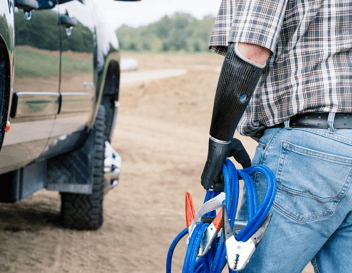
Using a prosthetic device or artificial limb can help people return to meaningful activities, improving their quality of life. Every milestone, lifting an object, typing, cooking, or dressing independently, not only strengthens physical ability but also nurtures emotional well-being.
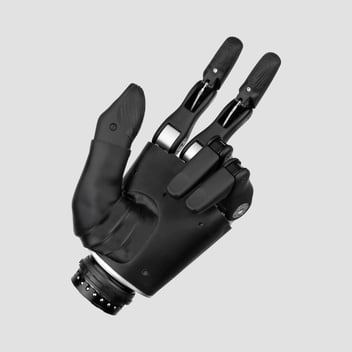
For some people, this includes exploring advanced options such as a bionic hand, bionic arm, or prosthetic bionic hand. These types of bionic prosthetics and robotic hand prosthetic solutions can support daily function, but just as important, they can also influence confidence, independence, and emotional recovery.
Whether someone uses a more traditional myoelectric device or a more advanced bionic robot hand or Robotic Hand by Aether Biomedical, what matters most is that the technology matches their goals, lifestyle, and emotional readiness.
Age, Sex, and Site of Amputation: Personalizing the Emotional Journey
No two experiences of limb amputation are exactly alike. Factors such as age, sex, and the site of amputation can shape the emotional journey in unique ways. Younger individuals may face particular challenges with body image and sexual functioning, as limb loss can affect self-esteem and social confidence during formative years.
Women, in some cases, may be more vulnerable to depressive symptoms and anxiety, while men might be at higher risk for developing post-traumatic stress disorder after limb loss.
By understanding these differences, healthcare professionals can offer more personalized support and interventions. Tailoring care to each individual’s unique circumstances helps address specific emotional needs, supporting a more effective and compassionate recovery process.
Vocational Rehabilitation and Career Advancement
Returning to work or exploring new career opportunities is an important part of the rehabilitation process for many individuals with limb amputation.
Vocational rehabilitation provides the tools, training, and support needed to adapt to new physical abilities and regain independence. Physical and occupational therapists play a key role, helping individuals develop practical skills and strategies for the workplace.
Mental health professionals are also essential, offering guidance to overcome emotional or psychological barriers that may arise during the transition back to employment. Building effective coping strategies and boosting self-esteem are central to this process, empowering individuals to pursue their goals with confidence.
With comprehensive vocational rehabilitation and career advancement support, individuals can rebuild their sense of purpose, improve their quality of life, and achieve greater independence in everyday life.
Working with Healthcare Professionals
A successful recovery from limb amputation involves collaboration with a dedicated team of healthcare professionals. Physical and occupational therapists, mental health professionals, and medical doctors each bring unique expertise to the table, addressing the physical, emotional, and psychological impact of limb loss.
Open communication and trust are the foundation of this partnership. By working closely with healthcare providers, individuals can take an active role in their recovery, making informed decisions about their care and treatment.
Family members and caregivers also benefit from education and support, learning how to provide effective emotional support and understand the challenges of limb amputation.
Together, this collaborative approach ensures that every aspect of recovery is addressed, helping individuals achieve the best possible outcomes and a higher quality of life.
Hope, Growth, and Redefining Normal
Over time, many individuals transition from simply coping to rebuilding. They discover that life after upper limb loss is not less, it’s different, often filled with unexpected resilience.
Healing doesn’t mean returning to who they were before. It means becoming someone shaped by strength, insight, and experience. Psychological adaptation grows as individuals find new routines, adapt to their prosthetic limb, and reconnect with their support system.
Call to Action: What to Do Next
If you or someone you care about is navigating upper limb loss, emotional support is essential. Consider:
- Connecting early with a mental health professional or counselor.
- Building a support system of friends, family, and peers.
- Seeking guidance from physical and occupational therapists.
- Exploring mental health services for stress, trauma, or emotional sequelae.
No one should face this journey alone.
FAQs
What are the common emotional responses after upper limb loss?
Shock, sadness, anxiety, and other emotional responses are common, especially after physical trauma or surgical amputation.
How does losing an arm or hand affect a person’s self-image?
It can influence confidence, physical appearance, and self-esteem as individuals adjust to their new body image.
Can emotional recovery truly happen after losing an upper limb?
Yes, with support, prosthetic rehabilitation, coping skills, and time.
How important is family or peer support in healing emotionally?
Extremely important. Social support and peer support strengthen emotional well-being and psychological recovery.
When should someone seek professional emotional help after limb loss?
Whenever psychological distress, depressive symptoms, or negative thoughts interfere with daily functioning.
How do bionic hand costs and Robotic Hand Price affect emotional recovery?
Many people worry about bionic hand cost or bionic hand price, and how any type of Robotic Hand Price fits into their budget, insurance coverage, or long-term plans.
Financial stress can add to emotional strain, so it often helps to talk openly with clinicians, prosthetic providers, and, where possible, insurance specialists about realistic options for bionic prosthetics that fit both your needs and your resources.
Conclusion
Emotional recovery after upper limb loss is complex, unpredictable, and deeply personal. But it is absolutely possible. With emotional support, clinical care, rehabilitation, and a strong support system, individuals can rebuild their confidence and reconnect with a life that feels full and meaningful.
Healing doesn’t erase the past; it transforms it into strength, insight, and resilience.
-1.png?width=352&name=unnamed%20(2)-1.png)