Aether MyoSense EMG Control for Bionic Hand Systems
For a bionic hand to respond to a user’s intent, the prosthetic system needs a reliable way to detect and translate voluntary muscle activity.








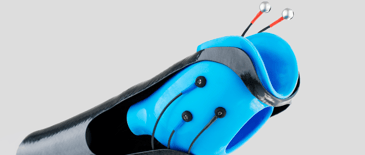
For a bionic hand to respond to a user’s intent, the prosthetic system needs a reliable way to detect and translate voluntary muscle activity.

Some upper-limb amputees choose not to wear a prosthesis because the device feels harder to live with than to leave off. That choice is rarely about “giving up.” More often, it reflects daily friction: socket discomfort, weight fatigue, control...

The starting line may look the same, but the road to getting there is a whole lot different. The space that used to be all about limitations has been turned on its head by tech that can adapt, respond, and perform in real time.

There’s a moment that really drives home the reality of the rehabilitation journey. It’s not while you’re having a consultation or getting fitted, but when you’re trying to do something simple, like grab a cup or send a text message.

Travel rarely goes exactly as planned, and that’s part of what makes it exciting. But when we’re managing a prosthesis, the difference between a smooth trip and a stressful one often comes down to how well we plan.