






The first day back at a job can feel bigger than surgery, rehab, and the long stretch of recovery combined. It is not just about doing work again. It is about stepping back into routines, expectations, and a version of life that may now look very different after upper limb amputation.
While upper limb amputation requires significant adaptation, the specific challenges and rehabilitation strategies can differ, especially in terms of mobility, work capacity, and daily activities.
That can sound heavy, but it does not have to be discouraging. Returning to work after upper limb amputation is often less about going back to an old normal and more about building a new one that works in real life.
With the right rehabilitation, workplace accommodations, and support, many upper limb amputees return to meaningful work across a wide range of roles.
The key is to treat return to work as gradual, practical, and personal. There is no perfect timeline, no one-size-fits-all setup, and no prize for rushing. What works is steady progress, honest communication, and the right device, backed by a strong care team, solid medical care, and consistent training.
Introduction to Limb Loss
Limb loss is a life-changing event that can affect every aspect of a person’s daily life, from physical movement to emotional well-being. Whether caused by accidental trauma, illness, or disease, losing an upper limb brings unique challenges that require a comprehensive approach to recovery.
The journey after limb loss is not just about healing the body; it’s about adapting to new ways of living, working, and interacting with the world.
A successful recovery relies on a dedicated care team, including physical therapists, occupational therapists, and rehabilitation doctors, who work together to support the individual’s well-being and quality of life.
Medical care is essential in the early stages, but ongoing rehabilitation and the use of prosthetic devices, such as upper limb prosthetics, play a crucial role in helping people regain independence.
Physical therapy helps restore muscle strength, mobility, and function in the upper limb and remaining limb, while occupational therapy focuses on practical skills for daily tasks and job responsibilities.
The right prosthetic can make a significant difference, enabling individuals to perform daily living activities and return to work with greater confidence. However, the success of prosthetic use depends on many factors, including the person’s age, overall health, and the level of amputation.
Each recovery journey is unique, but with the right support and rehabilitation, many people find new ways to thrive and maintain a high quality of life after limb loss.
What does returning to work after upper limb amputation involve?
Returning to work after upper limb amputation usually happens in phases. First comes recovery, then rehabilitation, then adaptation, and finally reintegration into the workplace. That order matters because jumping too fast into job demands can make the transition harder than it needs to be.
Recovery focuses on healing, pain management, rest, and getting through the early physical and emotional adjustment period. Rehabilitation after amputation then begins to rebuild function, coordination, muscle strength, stamina, and confidence. From there, attention shifts toward practical job tasks that connect directly to daily life and work life.
This is why returning to work is rarely immediate. Life after limb amputation involves learning new movement patterns, new routines, and often new ways to complete daily tasks. That can feel frustrating at first, especially when the residual limb is still adjusting and the pain level changes from day to day.
While upper limb amputees face significant challenges in returning to work, the specific barriers and adaptations required can differ; upper limb amputees may need to adapt to new ways of performing manual tasks.
There is also a mental health side to this process that deserves just as much attention. Returning to normal life after amputation does not mean pretending nothing has changed. It means learning how to move forward with the right support, realistic expectations, and enough room to adapt to an upper limb prosthesis or other prosthetic device as rehabilitation continues.
The return-to-work process often includes:
- Physical recovery and healing after injury or amputation
- Rehabilitation and physical therapy
- Support from a physical therapist, occupational therapist, and rehabilitation doctor
- Adapting daily tasks and job tasks
- Gradual reintegration into the workplace
- Ongoing emotional recovery and confidence building
What challenges do people face when returning to work after upper limb amputation?
The challenges are often a mix of physical, emotional, and practical. Grip strength, coordination, endurance, and speed may all be different in the early stages. Even simple job tasks can require more thought and effort than they did before limb loss.
Workplace setups can also become a problem if they were designed around two-handed routines or a natural limb. A desk, computer station, shared workspace, or building entrance may suddenly need changes to improve access and comfort. This is where workplace modifications, ergonomic tools, automatic doors, and adjustable desks become more than nice extras.
Then there is the emotional layer, which tends to sneak up on people. Confidence can dip, especially when someone worries about keeping up, performing the same job, or being seen differently by coworkers. Emotional recovery takes time, and not everyone moves through that stage at the same pace.
Communication can be another hurdle. Some people are unsure how much to explain to employers or whether they should ask for employment support right away. Others know what they need but find it hard to say clearly, especially when they are still adjusting to prosthesis use or a recent amputation site.
Common workplace challenges may include:
- Reduced grip strength and coordination
- Fatigue during longer workdays
- Adapting to a prosthetic device or artificial limb
- Anxiety about performance or perception
- Difficulty explaining support needs clearly
- Questions about whether returning to the same role or the same company is realistic
How does rehabilitation help people return to work after upper limb amputation?
Rehabilitation creates the bridge between recovery and real-world function. It helps turn general progress into practical ability. That is especially important when the goal is not just movement, but meaningful movement that supports work, health, and independence.
Occupational therapy after upper limb amputation plays a major role here. Instead of focusing only on exercise, an occupational therapist helps people relearn task-specific skills that connect directly to work demands. That might include typing, lifting light objects, organizing materials, managing tools, or working through complex tasks more safely.
Physical therapy is just as important. A physical therapist can help improve strength, range of motion, posture, and endurance while also supporting the nervous system and the remaining limb as the body adapts.
Physical medicine specialists and a rehabilitation doctor may also guide pain management, prosthetic care, and wider rehabilitation goals.
This is also where confidence gets rebuilt. Repetition helps people understand what is possible, what needs support, and what can improve with time.
When someone can work closely with their rehabilitation team, prosthetic care providers, and mental health support network, returning to work starts to feel less like a leap and more like the next step in life.
Occupational Therapy and Assessment for Work Readiness
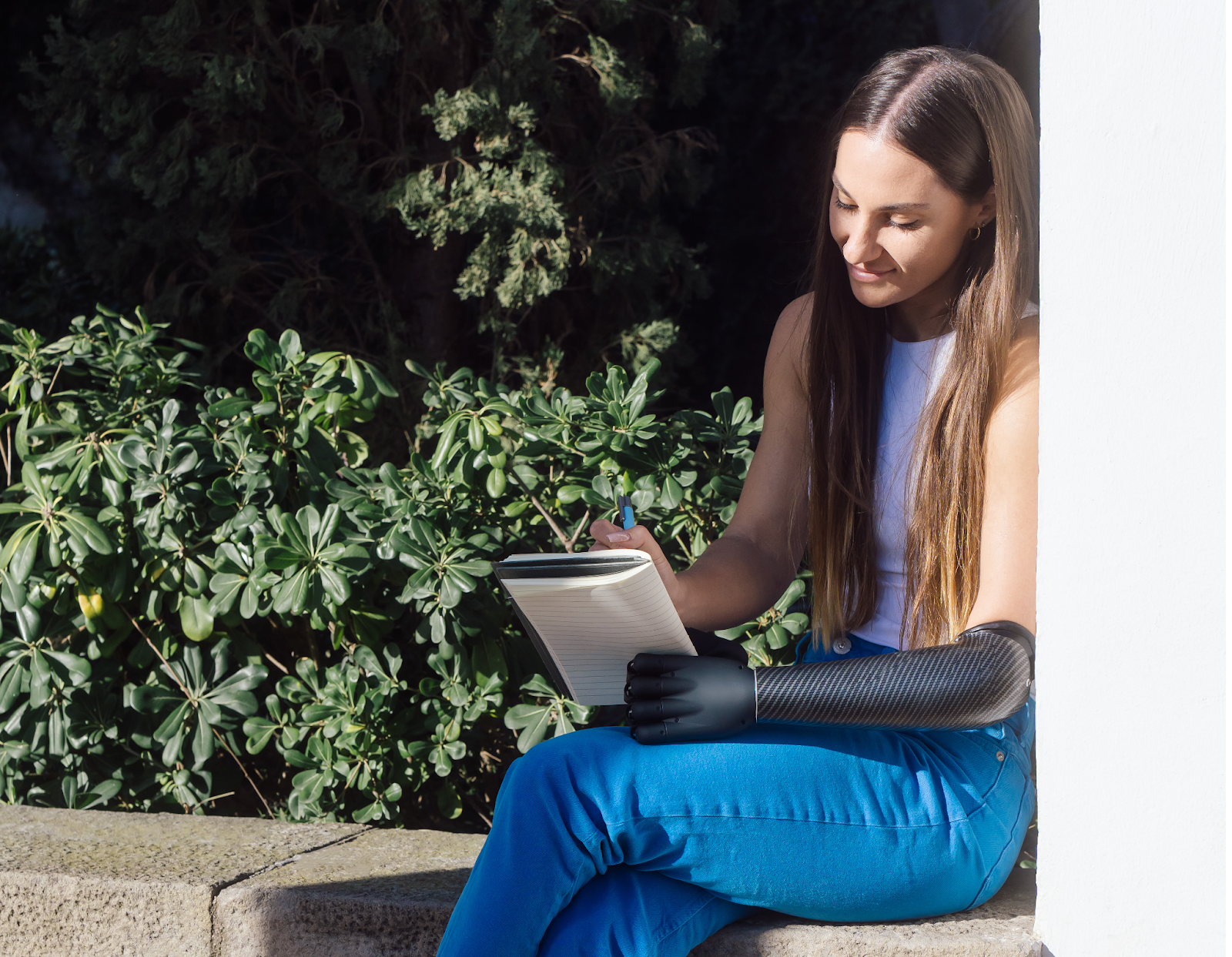
Occupational therapy is a cornerstone of rehabilitation for individuals with limb loss, especially when preparing to return to work.
An occupational therapist works closely with each person to assess their residual limb, evaluate grip patterns, and measure muscle strength, all of which are essential for selecting the most suitable prosthetic device, whether it’s a prosthetic hand or a more advanced upper limb prosthesis.
The assessment for work readiness goes beyond basic movement. It involves a detailed look at the specific job tasks the individual needs to perform, taking into account the amputation level, pain management strategies, and any challenges that might arise in the workplace.
Occupational therapists help identify where workplace modifications or reasonable accommodations, such as ergonomic tools, adjustable desks, or assistive technology, can make a real difference in daily living and job performance.
A key goal of occupational therapy is to build confidence and independence, empowering individuals to pursue their chosen career path or explore new job opportunities that match their abilities and interests.
This might include training with high-tech or advanced devices, such as myoelectric hands, which can support more complex tasks and improve overall well-being. Occupational therapists also provide employment support, guiding individuals through the process of requesting workplace accommodations and adapting to new routines.
By focusing on practical solutions and personalized rehabilitation, occupational therapy helps people with limb loss return to work, manage pain, and achieve a fulfilling, productive life. The process is about more than just physical recovery; it’s about building the skills, confidence, and support systems needed to thrive in both daily living and the workplace.
How can a prosthetic hand support daily work tasks?
A prosthetic hand can support work by making daily tasks more stable, repeatable, and manageable. That does not mean a prosthesis can fully replace every function of a natural limb. It means more job tasks become possible with practice, the right setup, and the right prosthetic features.
Different grip patterns can support different kinds of work. A user may need one grip for typing, another for holding objects steady, and another for operating tools or managing light physical work.
This is where hand prostheses and upper limb prosthetics can make a major difference in quality of life, especially when matched carefully to the person, the amputation level, and the demands of the job.
The Zeus hand portfolio includes two options, Zeus V1 and Zeus S, and they are not identical. Zeus V1 is listed with a grip force of 152N and a closing time of 1.2 seconds, while Zeus S is listed with a grip force of 120N and a closing time of 0.8 seconds.
Zeus S offers 14 predefined plus 3 configurable grip patterns, controlled finger movement, and a touchscreen-compatible index finger, all of which can support everyday workplace tasks with stability and adaptability.
Practical grip options also include Active Index for keyboard work, Mouse Grip for operating a computer mouse, and Trigger Grip for appliances that require a trigger mechanism.
In broader search language, some people may look for a robotic hand prosthetic, a Robotic Hand, a bionic hand, a bionic robot hand, a bionic arm, or bionic prosthetics when exploring prosthetic options. In practice, what matters most is whether the prosthetic device supports real daily tasks, comfort at the amputation site, and long-term prosthesis use in the workplace.
Daily work tasks a prosthetic hand may help support:
- Typing on a keyboard
- Using a mouse
- Holding office tools or light objects
- Managing buttons, switches, or trigger-style devices
- Completing routine desk-based and light manual tasks
- Supporting more consistent performance across daily life and work
What types of jobs can people do after upper limb amputation?
Many jobs remain accessible after upper limb amputation. The better question is usually not what jobs are still possible, but what setup, support, and tools will make a specific career path workable. That shift in thinking changes everything.
Office-based roles are often a strong fit because they can be adapted with ergonomic tools, flexible workflows, and assistive technology. Remote work can also reduce commuting strain and make it easier to balance rehabilitation with work responsibilities.
Creative, analytical, strategic, and communication-heavy roles also remain realistic job opportunities for many upper limb amputees.
That said, this is not limited to desk work. Some people return to light physical work, technical environments, or hands-on roles with an upper limb prosthesis workplace setup that matches their needs.
Others may decide a new career path or a new career makes more sense after an injury, especially if the previous role depended heavily on repetitive physical tasks.
Some people go back to the same job, some move into a modified role, and some stay with the same company in a very different position. There is no single correct answer. What matters is finding a job and a work environment that supports long-term well-being, function, and growth.
What workplace adjustments support employees after upper limb amputation?
Workplace adjustments can take pressure off the body and reduce frustration during the return to work process. Often, the best changes are small, practical, and specific to the person’s actual duties.
Ergonomic changes are a strong starting point. These may include adjustable desks, keyboard positioning, adaptive mouse setups, anti-slip surfaces, and workstations arranged for easier reach and control. Workplace modifications can also involve access changes around the building entrance, better desk spacing, or easier access through automatic doors.
Flexible scheduling can be just as valuable as physical adjustments. Someone adapting to work after limb loss may benefit from shorter shifts, extra breaks, a phased return, or temporary task changes while stamina improves. This supports physical recovery, mental health, and more consistent performance.
Task design matters too. Sometimes the simplest fix is redistributing certain motions, reducing unnecessary repetition, or changing how materials are organized. Employers who provide reasonable accommodations and think carefully about workplace accommodations can make it much easier for someone to build confidence and return to work successfully.
Helpful workplace adjustments can include:
- Adjustable desks and supportive seating
- Adaptive keyboards or mouse options
- Ergonomic tools for repetitive tasks
- Better access to the building entrance
- Automatic doors and improved workspace flow
- Flexible schedules or phased return plans
- Reasonable accommodations based on the actual role
How can employers support someone returning to work after upper limb amputation?
Employers do not need to have all the answers on day one. They do need to be open, informed, and willing to adapt. A supportive workplace makes returning to work feel possible instead of intimidating.
Reasonable accommodations should be part of the conversation early. That may include equipment changes, schedule flexibility, updated duties, or access to supportive tools. Employers that provide reasonable accommodations based on real needs, instead of assumptions, usually create better outcomes.
Team awareness also helps. Colleagues do not need a lecture, but they do benefit from clear communication and respectful guidance. When the culture is calm, informed, and inclusive, the returning employee spends less energy managing uncertainty and more energy getting comfortable in the job again.
Support should also stay ongoing, not one-and-done. Needs may change as rehabilitation progresses, the prosthetic device is adjusted, or the employee moves from the same role to a new career path. Good employer support evolves.
How does technology improve returning to work after upper limb amputation?
Technology has changed the return-to-work experience in a big way. It is no longer only about the prosthesis itself. It is also about how data, remote access, and more advanced devices can improve outcomes over time.
Advanced devices and newer models can improve task performance by giving users access to multiple grip patterns, controlled finger movement, and settings that align more closely with daily routines. That matters at work, where small gains in consistency and control can have a huge effect on independence.
The Aether Digital Platform adds another layer of support. According to the product catalogue and software instructions, clinicians can access configuration history, monitor usage data, communicate with patients, and make configuration changes remotely.
That remote support matters because progress does not always happen neatly inside clinic visits. The platform supports local, asynchronous, and remote sessions, allowing clinicians to adjust settings and review EMG signals in real time when needed. This can help users work closely with their clinician, adapt faster, and get more value out of upper limb prosthetics and other advanced devices without relying only on in-person appointments.
People also often search practical buying questions while exploring options, including the bionic hand cost and the bionic hand price. Pricing varies by market and clinical setup, so the more useful conversation is usually about function, fitting, prosthetic care, and long-term support rather than a one-size-fits-all number.
How long does it take to return to work after upper limb amputation?
There is no universal timeline, and that is the honest answer. Recovery speed, rehabilitation progress, job type, prosthesis use, emotional readiness, and the amputation level all affect when someone is ready to return to work.
Some people return in stages fairly quickly, especially when the injury is managed early, support is strong, and the job can be modified. Others need more time to build strength, learn control, and feel mentally ready for the demands of work again. Younger age can sometimes support faster recovery, but it is only one factor among many.
A phased return is usually more useful than chasing a fixed deadline. It gives room for learning, adjustment, and setbacks without turning every delay into a personal failure. Slow and steady may not sound glamorous, but in rehabilitation, it usually works better than forcing a fast comeback.
What emotional factors affect returning to work after upper limb amputation?
Confidence is one of the biggest emotional factors in this process. Even when physical ability is improving, someone may still question whether they can keep up, manage attention from others, or perform well in the same role as before.
Stress and expectations also matter. People often feel pressure to be back to normal before they are ready. That pressure can come from work, family, finances, or from the person themselves, which is often the toughest source of all.
Support systems help soften that pressure. Family, clinicians, employers, and in some cases a rehabilitation psychologist can make the return feel collaborative rather than isolating. Emotional recovery, mental health, and overall health are not side issues here. They are part of what determines work readiness.
It is also worth saying plainly that not everyone will return to the same role or the same career path immediately. Sometimes a new career is part of recovery. That is not failure. It is an adaptation, and often a smart one.
What practical steps can help make returning to work easier after upper limb amputation?
The most helpful approach is to keep things practical. Big goals matter, but daily systems matter more. Return to work becomes easier when it is broken into manageable steps that can be reviewed and adjusted.
Here are some of the most effective steps we can take:
- Start with manageable job tasks and increase complexity over time
- Communicate clearly with employers about support needs
- Use the right device and prosthetic features that match real work
- Stay consistent with rehabilitation and physical therapy
- Work closely with clinicians, prosthetists, and your care team
- Test work tasks in safe environments before full return
- Build stamina gradually instead of forcing full productivity too soon
- Reassess pain management, comfort, and prosthetic care regularly
It also helps to track what works and what does not. A few notes after each workday can reveal patterns around fatigue, pain level, equipment setup, and specific job tasks that still feel difficult. That makes it easier to adjust the plan instead of guessing.
Most importantly, progress should be measured by function and consistency, not pride. Asking for support is not a weakness. It is a strategy, and in many cases, it is what makes long-term success possible.
FAQs
How do people return to work after upper limb amputation?
Most people return gradually through recovery, rehabilitation, workplace adaptation, and phased reintegration. The process is usually easier when clinicians, employers, and support systems work together.
Can you work with a prosthetic hand after upper limb amputation?
Yes, many people can work with a prosthetic hand after upper limb amputation. Success depends on the job demands, the prosthetic device features, training, workplace accommodations, and rehabilitation support.
What jobs are suitable after upper limb amputation?
Many jobs remain suitable, including office-based, remote, creative, analytical, and light physical work roles. The focus should be on adaptation, job opportunities, and function rather than assuming certain careers are off-limits.
What challenges do people face at work after upper limb amputation?
Common challenges include grip strength, coordination, fatigue, emotional stress, workplace setup issues, and adapting to an upper limb prosthesis. Communication with employers and colleagues can also be a challenge in the early stages.
How does rehabilitation help after upper limb amputation?
Rehabilitation helps build strength, coordination, control, and confidence. Occupational therapy and physical therapy are especially useful because they focus on practical tasks that connect directly to work and daily life.
Can you type or use a computer after upper limb amputation?
Yes, many people can type or use a computer after upper limb amputation. Grip patterns such as Active Index and Mouse Grip are designed to support tasks like keyboard and mouse use.
What workplace adjustments are needed after upper limb amputation?
Helpful adjustments may include adjustable desks, ergonomic tools, adaptive keyboards or mouse options, task redesign, and flexible scheduling. The best setup depends on the person, the prosthesis, and the role.
How long does it take to go back to work after upper limb amputation?
It varies from person to person. Recovery, rehabilitation progress, emotional readiness, prosthesis use, and job demands all affect the timeline, so a phased return is usually more effective than aiming for a fixed date.
Conclusion
Returning to work after upper limb amputation is not about proving anything to anyone. It is about finding a way to work that is safe, realistic, and sustainable.
With the right rehabilitation, workplace accommodations, prosthetic support, and access to technology that can improve performance over time, many people can rebuild routine, confidence, and career momentum in a way that genuinely fits their life.
There is no perfect route back, but there is a practical one. Start where you are, work closely with your clinician and care team, and build step by step as your needs change.
If you are exploring upper limb prosthetics, a robotic hand prosthetic, or clinical support that can make daily tasks and work routines easier, contact the Aether Biomedical team or speak with your clinician about the Zeus hand and the Aether Digital Platform.
.jpg?width=352&name=a-2%20(1).jpg)