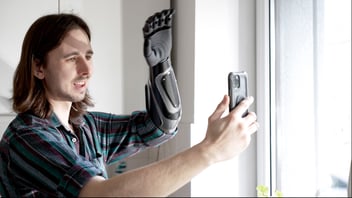







The moment you receive your new prosthesis, the world feels a little larger and the possibilities a bit broader. After amputation, proper management and rehabilitation are crucial for successful prosthetic fitting.
It represents a bridge between your goals and your daily reality, a sophisticated tool designed to restore function and confidence. However, that bridge is only as strong as the connection between your body and the device itself.
We often tell our patients that a prosthesis is like a high-performance shoe; if it isn’t put on correctly, even the best technology will feel cumbersome.
Mastering the art of putting on and taking off your device is the first step toward true independence. We call these processes donning and doffing, and they are the foundation of your prosthetic journey.
In this guide, we will walk through the essential techniques for donning and doffing your upper limb prosthesis. We want to ensure you feel empowered to handle your device with ease every single day.
Improved mobility and independence are key goals for patients using upper limb prostheses. By focusing on the right habits now, you protect your skin, extend the life of your prosthesis, and improve your overall quality of life.
What Does Donning and Doffing an Upper Limb Prosthesis Mean?
At its simplest, “donning” is the act of putting your prosthesis on, while “doffing” refers to taking it off. While these terms might sound technical, they represent the bookends of your daily routine. Understanding how to do both correctly is critical for your physical comfort and the device’s function.
Each prosthesis type has its own specific donning and doffing methods, and patients should follow clinician guidance to ensure the best fit, comfort, and function.
When we don a prosthesis properly, we ensure that the internal sensors or mechanical cables align perfectly with our body’s movements. If the fit is slightly off, the device may feel heavy, unresponsive, or even painful.
A well-donned prosthesis should feel like a natural extension of your arm rather than an external weight.
Correct doffing is equally important for maintaining skin health and ensuring the device isn’t damaged during removal. We prioritize these skills because they directly impact how much you will actually use your prosthesis. When the process becomes second nature, the device becomes a seamless part of who you are.
1. How Does an Upper Limb Prosthesis Work Before Donning?
Before we dive into the “how-to,” we need to understand what we are working with. An upper limb prosthesis is a complex assembly of several key components working in harmony. The prosthetic socket is the most vital part, as it serves as the interface between your residual limb and the technology.
Within that socket, there is a suspension system that keeps the device securely attached to your body. Sleeve suction is a classic method that involves using a snug, custom-fit silicone or neoprene sleeve to hold the prosthesis in place.
Vacuum suspension or suction utilizes a vacuum pump to create a controlled suction effect between the residual limb and the socket, generating negative pressure to secure the fit. Depending on your specific model, you might also have a terminal device (the hand or hook) and an elbow unit.
We categorize these devices into a few main types based on how they operate.
- Body-Powered Prostheses: These use a harness system and cables to control movement through shoulder and back motions.
- Myoelectric Prostheses: These utilize myoelectric sensors to pick up electrical signals from your muscles to move the device. Some advanced systems include features like remote control for adjusting settings or activating electronic components.
- Hybrid Prostheses: A combination of both, often using a body-powered elbow and a myoelectric hand. Some hybrid models may also offer remote control options for enhanced functionality.
- Passive / Cosmetic Prostheses: Designed primarily for appearance and light stabilization rather than active movement.
At Aether Biomedical, we focus on making this interaction as intuitive as possible. When you use advanced multi-grip bionic hands, the way the socket sits on your limb determines how well those signals are translated into movement. A perfect fit means the technology can finally keep up with your intentions.
2. Preparing Your Residual Limb Before Donning
To prepare your residual limb for donning and doffing your upper limb prosthesis, start with a thorough skin care routine every morning. Check your residual limb for any signs of redness, swelling, or irritation that might have developed overnight.
Using a mirror can help you inspect areas that are hard to see, ensuring there are no open wounds or pressure areas. Your skin should be free from lotions or powders unless specified by your prosthetist.
If your limb is clean and dry, you are ready to apply your prosthetic liner or stump sock. Both the liner and socket should be thoroughly dry before wearing. These layers act as a protective barrier between your skin and the hard socket.
If you use a silicone liner, inverting the liner before applying it to the limb helps avoid trapping air. Roll the liner onto your limb, making sure to smooth out any wrinkles to prevent skin irritation and maintain a secure fit.
Air pockets and wrinkles can cause friction and lead to skin breakdown or “suction loss” during the day. Some users use a small amount of lubricant or water (the 'wet' method) to help with donning, but only if recommended by their prosthetist.
We find that taking an extra thirty seconds here prevents hours of discomfort later on.
Prosthetic Socks and Suspension: Getting the Right Fit
Achieving a snug fit with your prosthetic device starts with the right choice of prosthetic socks. These specialized socks act as a cushion between your residual limb and the artificial limb, helping to prevent skin irritation and discomfort throughout the day.
Prosthetic socks come in different thicknesses, often color-coded for easy identification; the higher the number, the thicker the sock. Selecting the correct thickness is essential for maintaining a comfortable and secure fit, especially as your limb’s shape may change due to activity or swelling.
Your silicone liner is another key component, providing a smooth interface between your skin and the prosthesis. To prevent skin irritation, it’s important to clean your liner daily with mild soap and warm water, ensuring all residue is removed before you put it back on. When choosing prosthetic socks, consider not only the fit but also the quality and durability, especially if you lead an active lifestyle.
Consulting with your physical therapist or prosthetist can help you determine the best combination of socks and liners for your needs, ensuring your prosthetic limb feels comfortable and secure all day long.
Investing in high-quality prosthetic socks and maintaining a consistent cleaning routine will help you avoid discomfort, blisters, and other issues, allowing you to get the most out of your prosthesis.
3. How to Don an Upper Limb Prosthesis Step by Step
Learning how to put on an arm prosthesis requires patience and a systematic approach. While the exact steps vary by device type, the goal is always a secure, anatomical fit. We suggest practicing in front of a mirror until the movements feel fluid and rhythmic.
Begin by rolling the liner onto a clean, dry residual limb, ensuring there are no wrinkles or air pockets. Next, align the limb with the opening of the prosthetic socket and slide it in smoothly. Prosthetic socks can be used to fine-tune the fit and are available in different thicknesses to accommodate changes in limb volume.
If you use a pin-lock system, distal locking involves a pin or lanyard mechanism that securely attaches the prosthesis to the residual limb; listen for the “clicks” that signal the liner is securely engaged.
For suction suspension, you may need to use a donning sleeve to help your limb seat fully into the socket. In the final check or adjustment step, always ensure the fit is comfortable and properly aligned, especially around the wrist area, to promote optimal function and prevent skin issues.
Step-by-Step Donning Guide:
- Align the Socket: Ensure the socket is oriented correctly to match your natural anatomy.
- Insert the Limb: Gently slide your residual limb into the socket, ensuring the electrode contact is firm for myoelectric users.
- Engage Suspension: Secure the harness adjustment or click the pin-lock into place to prevent the device from slipping.
- Final Check: Move your limb through its full range of motion to ensure no pinching occurs.
If you are using a myoelectric device, we recommend a quick "power-on" test once the device is donned. Open and close the terminal device to ensure the sensors are reading your muscle signals correctly. If the response feels sluggish, you may need to readjust the socket alignment slightly.
Securing Your Prosthesis for Comfort and Safety
A secure prosthetic device is essential for both your comfort and your safety. Whether your prosthesis uses a locking mechanism, strap, or another suspension system, it’s important to adjust it properly each time you don your device.
The goal is a snug fit that keeps your prosthesis in place without causing skin irritation or restricting circulation. Avoid overtightening straps or locking mechanisms, as this can lead to discomfort or even damage to your residual limb.
To maintain hygiene and prevent odor, regularly clean the inner socket of your prosthetic device with rubbing alcohol, following your prosthetist’s recommendations. This simple step helps protect your skin and keeps your device in top condition.
If you use a myoelectric device, make sure all connections are secure and the sensors are properly aligned with your muscles before you begin your day. Always follow the proper way of donning and doffing your prosthesis to avoid unnecessary wear on the device and to protect your limb.
If you’re unsure about the best method for securing your prosthesis, don’t hesitate to consult your physical therapist or prosthetist; they can help you adjust your device for optimal comfort and function.
4. Common Mistakes While Donning a Prosthesis
Even experienced users can fall into bad habits that compromise their comfort. One of the most common mistakes while donning a prosthesis is rushing the process and failing to seat the limb fully. This often results in a “gap” at the bottom of the socket, leading to skin irritation and poor control. Always take time to smooth out any wrinkles in the liner, as wrinkles can cause skin irritation and compromise the secure fit of your prosthesis.
Another frequent error is the misalignment of the harness system in body-powered devices. If the straps are twisted or too tight, they can cause neck pain or restrict your range of motion.
We often see users trying to “force” the fit, which can damage the delicate internal sensors. Additionally, monitor the area around the knee or thigh (for above-elbow or shoulder-level amputees) to prevent irritation and ensure the prosthesis fits properly and comfortably.
Finally, ignore the importance of socks at your own peril. As your limb volume changes throughout the day, you may need to add or remove a stump sock to maintain a snug fit. A socket that is too loose will rub against the skin, while one that is too tight can restrict circulation.
5. How to Doff an Upper Limb Prosthesis Safely
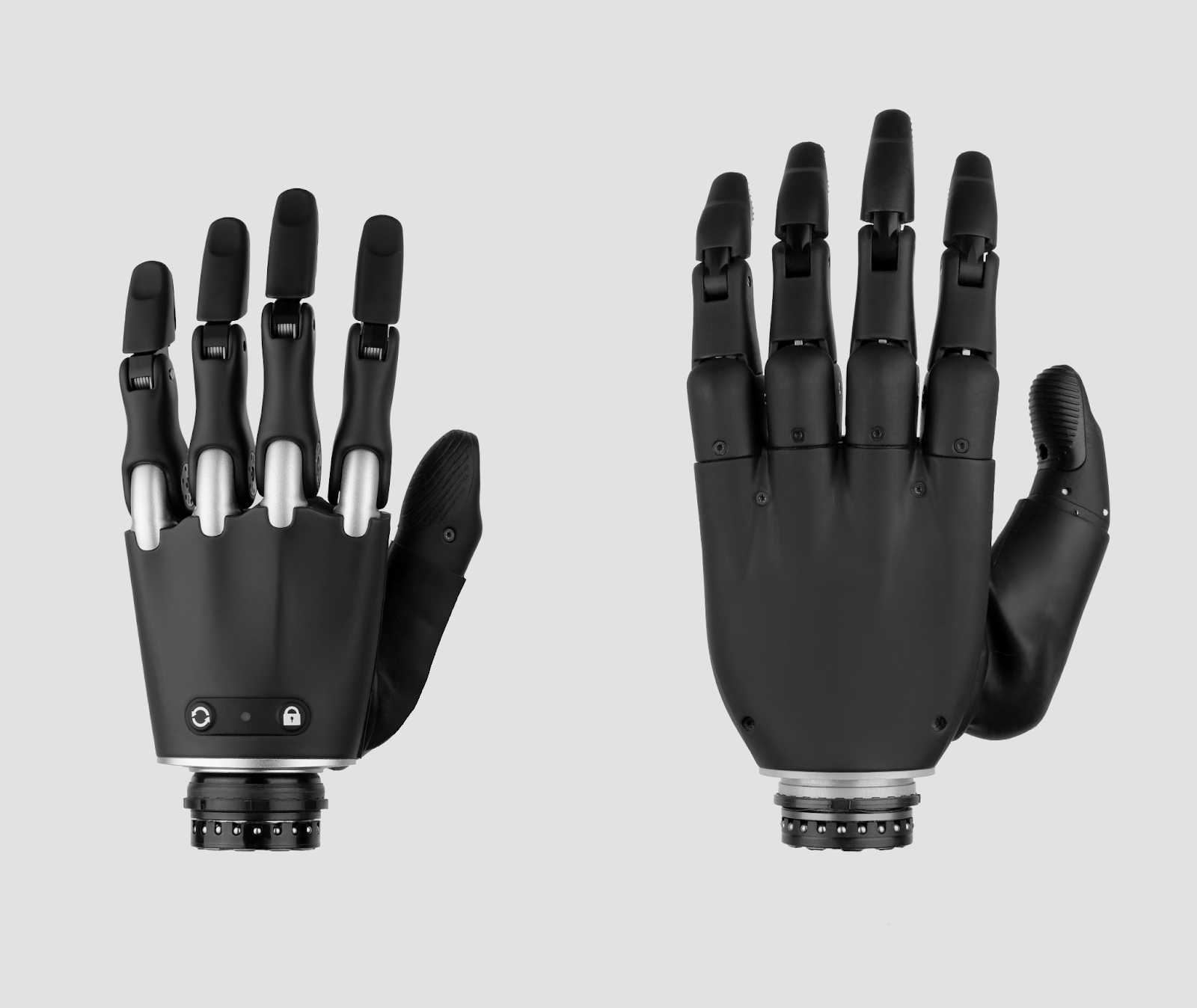
When the day is done, knowing how to remove an upper limb prosthetic device safely is vital. We encourage a "gentle-first" approach to avoid putting unnecessary stress on your joints or the device's components. Start by releasing any mechanical locks or loosening the harness straps completely.
For those using suction suspension, you will need to release the air valve before attempting to pull the limb out. Never tug forcefully on the prosthesis, as this can cause a "hickey" or bruising on the end of your residual limb. Slow, steady pressure is the safest way to disengage the vacuum.
If you use a myoelectric prosthesis, ensure the power is turned off before you begin the doffing process. This prevents the motor from engaging unexpectedly while you are handling the device. Once the device is off, carefully remove your prosthetic liner and give your skin a chance to breathe.
Nighttime Protocol: Caring for Your Limb and Prosthesis While You Sleep
Caring for your residual limb and prosthetic device doesn’t end when the day is over. Establishing a nighttime protocol is key to maintaining the overall quality of your prosthesis and protecting your skin.
Begin by removing your prosthetic device and thoroughly cleaning the socket, liner, and your residual limb with mild soap and warm water. Make sure to dry all areas completely, paying special attention to skin folds and creases to prevent skin irritation.
After cleaning, apply a gentle moisturizer to your skin to keep it hydrated and healthy. If you use a prosthetic sleeve or glove, remove and clean it according to the manufacturer’s instructions to maintain its quality and effectiveness.
Store your prosthetic device in a safe, dry place away from direct sunlight and extreme temperatures to protect its components. Some users find it helpful to wear a soft prosthetic sock or sleeve overnight to shield the residual limb from friction or accidental bumps.
By following a consistent nighttime care routine, you help maintain the integrity of your prosthesis and ensure your skin stays healthy and ready for another day of wear.
6. How Often Should You Remove Your Upper Limb Prosthesis?
Finding the right wear schedule is a collaborative process between you and your clinical team. For new users, we often recommend a "break-in" period, starting with just an hour or two at a time. This allows your skin to gradually toughen up and adapt to the new pressures of the socket.
As you become more experienced, you may find you can wear your device for 12 to 14 hours a day. However, we always suggest taking short "skin breaks" whenever possible, especially during hot weather. If you notice excessive sweating or a "pins and needles" sensation, it is time to take the device off.
We cannot stress the importance of listening to your body. Numbness, sharp pain, or significant skin discoloration are signals that you need to doff the device immediately. Giving your limb time to recover each evening is essential for long-term success with your prosthesis.
7. How Do You Care for Your Prosthesis After Doffing?
Your upper limb prosthesis care and handling routine should begin the moment the device comes off. We recommend wiping down the interior of the prosthetic socket with a damp cloth and mild soap every single day. This prevents the buildup of bacteria and salt from sweat, which can irritate your skin.
Liner hygiene is perhaps the most critical part of this daily prosthetic maintenance. Turn the liner inside out, wash it with a pH-neutral soap, and rinse it thoroughly to remove all residue. Let it air dry on a stand, but keep it out of direct sunlight, which can degrade the silicone.
Proper prosthesis storage is also key to ensuring the longevity of your investment. We suggest keeping the device in a cool, dry place where it won't be knocked over or stepped on. If you have a myoelectric device, this is also the ideal time to plug in your batteries for the next day.
Prosthetic Training and Support: Building Skills and Confidence
Building confidence and skill with your prosthetic limb is a journey that benefits greatly from dedicated training and support. Working closely with a physical therapist or prosthetist gives you access to personalized guidance on the proper way to don and doff your prosthesis, as well as tips for caring for your residual limb.
These professionals can help you develop a rehabilitation plan tailored to your goals, whether you’re aiming to return to work, pursue hobbies, or simply improve your daily comfort.
In addition to in-person training, there are many online resources, such as instructional videos and tutorials, that can help you practice new techniques at your own pace.
Connecting with other users through support groups or online communities, like those on Facebook, can provide encouragement and practical advice from people who understand your experience.
Regular practice is key to mastering the skills needed to use your prosthetic device properly and confidently. Remember, progress takes time, and every step you take builds your independence and quality of life.
With the right support and a commitment to practice, you’ll soon find yourself using your prosthetic limb with greater ease and assurance.
8. When Should You Seek Professional Help?
While we want you to be independent, we also want you to know when to call in the experts. If you find that you are constantly adjusting your harness system or adding too many socks, your limb may have changed shape. This is a normal part of the healing process, but it requires a prosthetic adjustment.
We recommend contacting your prosthetist or occupational therapist if you experience persistent pain that doesn’t go away after doffing. Changes in the sound of the motors or a loss of “grip strength” in the terminal device are also signs that maintenance is needed. Regular follow-up appointments are the best way to catch these issues early.
At Aether Biomedical, we believe that rehabilitation is a lifelong journey. Patients should feel empowered to seek help and understand that individualized care is essential for long-term success.
Your rehabilitation team is there to support you and ensure the technology is working for you, not against you. Never feel like you are “bothering” your clinician with questions about fit or function; we are all on the same team.
Frequently Asked Questions (FAQ)
We know that navigating life with a new device brings up plenty of questions. We have gathered some of the most common concerns our community shares regarding the daily use of their prostheses.
Is it normal for my limb to feel "different" inside the socket throughout the day?
Yes, it is very common for your residual limb to change volume as the day progresses. We often find that limbs are slightly larger in the morning and may shrink as fluids shift due to activity and socket pressure. We recommend keeping extra stump socks nearby so you can add a layer if the fit begins to feel loose in the afternoon.
What should I do if my myoelectric sensors aren't responding after I don the device?
First, we suggest checking to ensure the device is powered on and the battery is fully charged. If the power is on, the issue is likely due to poor electrode contact against your skin. Try doffing the device and re-donning it, ensuring the sensors are aligned with your muscle bellies and that your skin is clean.
Can I use regular soap to clean my prosthetic liner?
We advise using only mild, fragrance-free, pH-neutral soap to clean your prosthetic liner. Harsh chemicals found in standard hand soaps can break down the silicone or gel material over time. Furthermore, residue from heavy soaps can stay trapped against your skin inside the socket, leading to rashes or allergic reactions.
How do I know if I have the "perfect" fit after donning?
While "perfect" can vary by person, a good fit should feel snug and secure without causing sharp pain. You should feel that the weight of the prosthesis is distributed evenly across the surface of your limb rather than at a single point. If you feel the device "pulling" on your skin, we recommend doffing and trying again.
Should I wear my prosthesis if my skin is slightly red?
We recommend a "caution-first" approach: if the redness disappears within 20 minutes of doffing, it is usually just normal pressure. However, if the redness persists or the skin is broken, you should stop wearing the device immediately. We suggest contacting your prosthetist to identify the pressure point before you resume wearing it.
Why Is Proper Donning and Doffing Essential?
Mastering upper limb prosthesis wearing instructions is about more than just mechanics; it’s about reclaiming your autonomy. When we can put on our devices without frustration, we start the day with a sense of accomplishment. This confidence ripples out into every task we perform, from making coffee to returning to the workplace.
At Aether Biomedical, our mission is to push the boundaries of what is possible for those with limb loss. However, even the most advanced bionic technology relies on the foundation of a proper fit and consistent care.
By treating your prosthesis with respect and following a disciplined routine, you ensure that it remains a reliable partner in your daily life.
We have seen firsthand how proper technique reduces the risk of skin complications and mechanical breakdowns.
Remember, this is a skill that takes time to perfect, so be patient with yourself as you learn. With a little practice, these steps will become a natural, effortless part of your day, allowing you to focus on what really matters, your life.
If you’d like extra guidance, speak with your clinician or reach out to Aether Biomedical to explore the training and support resources available for your prosthetic setup.
-3.png?width=352&name=unnamed%20(1)-3.png)